

How to clean the Ultrasonic Non Woven Rotary Welding System?
As a supplier of Ultrasonic Non Woven Rotary Welding Systems, I understand the importance of keeping these machines in top - notch condition. Regular cleaning is not only crucial for the longevity of the equipment but also for ensuring high - quality welding results. In this blog, I'll share with you a comprehensive guide on how to clean the Ultrasonic Non Woven Rotary Welding System.
Why Cleaning is Necessary
The Ultrasonic Non Woven Rotary Welding System operates by using ultrasonic energy to bond non - woven materials. During the welding process, small particles of non - woven fabric, dust, and debris can accumulate on various parts of the machine. This build - up can cause several problems. For example, it can interfere with the ultrasonic transmission, leading to inconsistent welding quality. It can also put extra stress on the machine's components, potentially shortening their lifespan.
Preparation Before Cleaning
Before you start cleaning the Ultrasonic Non Woven Rotary Welding System, it's essential to take some safety precautions. First, make sure the machine is turned off and unplugged from the power source. This will prevent any electrical hazards. You should also wear appropriate personal protective equipment (PPE), such as gloves and safety glasses, to protect yourself from any debris or cleaning chemicals.
Gather the necessary cleaning tools and materials. You'll need a soft - bristle brush, a microfiber cloth, a mild cleaning solution, and compressed air. The soft - bristle brush is ideal for removing loose debris from hard - to - reach areas, while the microfiber cloth is great for wiping down surfaces. The mild cleaning solution should be specifically designed for use on electronic and mechanical equipment to avoid damaging the machine. Compressed air can be used to blow out dust from crevices.
Cleaning the Exterior
The exterior of the Ultrasonic Non Woven Rotary Welding System is the first area to clean. Start by using the soft - bristle brush to gently remove any loose dust and debris from the machine's surface. Pay special attention to the corners and edges where dirt tends to accumulate. After brushing, dampen the microfiber cloth with the mild cleaning solution and wipe down the entire exterior of the machine. Be careful not to get any liquid into the ventilation openings or electrical ports.
Cleaning the Welding Head
The welding head is one of the most critical components of the Ultrasonic Non Woven Rotary Welding System. It's where the ultrasonic energy is generated and transferred to the non - woven materials. Over time, the welding head can become coated with residue from the welding process.
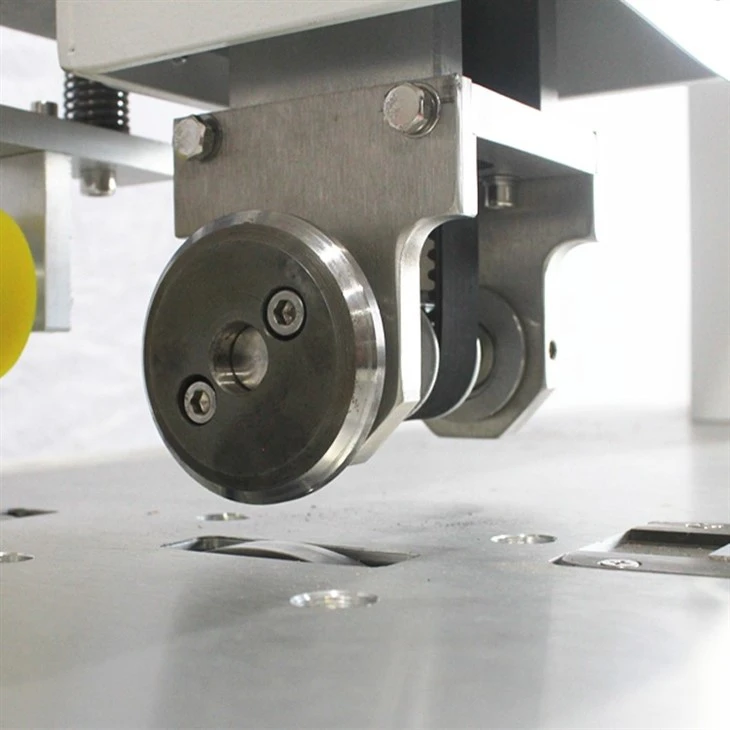

To clean the welding head, first, use the compressed air to blow away any loose debris. Then, dip a clean microfiber cloth in the mild cleaning solution and gently wipe the surface of the welding head. Avoid using abrasive materials or excessive force, as this can damage the delicate ultrasonic components. If there are stubborn stains or residue, you can use a specialized ultrasonic cleaning solution recommended by the manufacturer.
Cleaning the Rotating Parts
The rotating parts of the Ultrasonic Non Woven Rotary Welding System, such as the rollers and gears, need to be kept clean to ensure smooth operation. Use the soft - bristle brush to remove any debris from the surfaces of the rotating parts. You can also use a small amount of lubricant on the gears and bearings, following the manufacturer's recommendations. However, be careful not to over - lubricate, as this can attract more dust and debris.
Cleaning the Electrical Components
The electrical components of the Ultrasonic Non Woven Rotary Welding System should be cleaned with extra care. Use compressed air to blow out any dust from the electrical connections, circuit boards, and control panels. Do not use liquid cleaners on these components, as they can cause short - circuits. If there are any signs of corrosion or damage on the electrical components, it's best to consult a professional technician for repair.
Cleaning the Control Panel
The control panel is the interface through which you operate the Ultrasonic Non Woven Rotary Welding System. It's important to keep it clean to ensure accurate operation. Use a dry microfiber cloth to wipe the control panel. If there are any stubborn stains, you can lightly dampen the cloth with a mild cleaning solution and then wipe the panel. Avoid getting any liquid into the buttons or display screen.
Frequency of Cleaning
The frequency of cleaning the Ultrasonic Non Woven Rotary Welding System depends on how often the machine is used. If the machine is used continuously, it's recommended to clean it at least once a week. For less frequent use, a monthly cleaning may be sufficient. Regular inspections should also be carried out to detect any signs of wear or damage.
Troubleshooting During Cleaning
While cleaning the Ultrasonic Non Woven Rotary Welding System, you may encounter some issues. For example, if you notice that the machine is making unusual noises during operation, it could be a sign of a problem with the rotating parts or the ultrasonic components. In such cases, stop the cleaning process and consult the machine's manual or a professional technician.
Another common issue is a decrease in welding quality. This could be due to a dirty welding head or improper ultrasonic transmission. If you suspect this is the case, clean the welding head thoroughly and check the ultrasonic settings according to the manufacturer's instructions.
Conclusion
Proper cleaning of the Ultrasonic Non Woven Rotary Welding System is essential for maintaining its performance and extending its lifespan. By following the steps outlined in this guide, you can ensure that your machine operates at its best. If you have any questions or need further assistance with cleaning or maintaining your Ultrasonic Non Woven Rotary Welding System, feel free to contact us.
We also offer a range of related products, such as the Ultrasonic Thermoplastic Fabric Seamless Sewing System, the Nonwoven Surgical Mask Ultrasonic Vibration System, and the Ultrasound Seamless Stitching Longitudinal Vibration System. If you are interested in these products or have any procurement needs, don't hesitate to reach out to us for a detailed discussion.
References
- Manufacturer's manual of Ultrasonic Non Woven Rotary Welding System
- Industry standards for ultrasonic welding equipment maintenance
No Information