


Ultrasonic Cutting Machine
What is Ultrasonic Cutting Machine?
Ultrasonic cutting equipment features cutting blades that vibrate at extremely high frequencies. Human hearing only covers sound waves roughly between 15,000 and 20,000 hertz; any frequency exceeding 20,000 Hz falls under ultrasound, which is exactly the working frequency range of these cutting machines.





Why Choose Us?
Application Areas
Ultrasonic cutting is a technology that achieves precision machining of materials through high-frequency mechanical vibration, mainly applied to the lightweight requirements of aerospace equipment for precision machining of glass fiber and carbon fiber composite components; Suitable for non-destructive cutting of thermal sensitive foods such as cakes and chocolates in the food industry; The textile manufacturing industry of edge anti shedding cutting of non-woven fabrics, meltblown fabrics and other materials; Applied in the electronic component industry for stress free cutting of precision electronic materials such as flexible circuit boards (FPC) and graphene films.
Sales Market
Our products are sold in many countries, including the United States, Canada, Russia, South Korea, Indonesia, Colombia, Germany, Poland, South Africa, the Netherlands, Hungary, France, Vietnam, Bulgaria, the United Kingdom, Mexico, and the United Arab Emirates and so on. Our main customers are agents experienced in ultrasound technology and end users.
Our Products
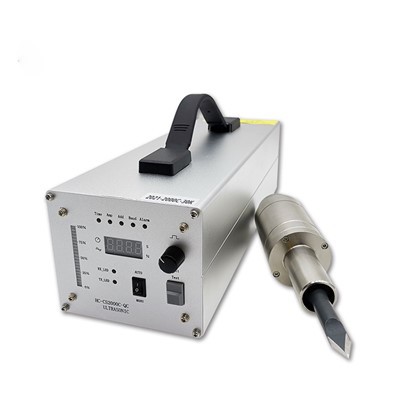
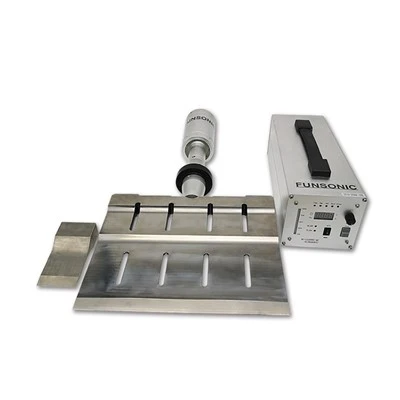
According to different cutting applications, FUNSONIC offers 20Khz, 30Khz, 40Khz handheld and machine mounted cutting knives, equipped with replaceable blades of different widths to meet the needs of various industries.
Our Team
Hangzhou FUNSONIC Ultrasonic Company was founded in 2018, led by multiple experts with over 10 years of practical experience in the field of high-power ultrasonic. The team members are mainly born in the 1980s and 1990s, all of whom have a college degree or above. Has strong competitiveness and challenge, used for innovation, responsibility, and accountability.
Advantages of Ultrasonic Cutting Machine
Precision Cutting
Ultrasonic cutting machines utilize high-frequency vibrations to create clean and precise cuts. The vibrations create a rapid oscillating motion in the cutting tool, resulting in precise and consistent cuts, even in intricate or complex patterns. This level of precision is particularly beneficial when working with delicate or sensitive materials.
Non-contact Cutting
Ultrasonic cutting is a non-contact method, which means the cutting tool does not come into direct contact with the material being cut. Instead, the ultrasonic vibrations create a high-energy cutting action that cleanly slices through the material without exerting excessive pressure. This non-contact nature of cutting helps prevent damage to the material, especially for fragile or thin materials that could be easily deformed or crushed by traditional cutting methods.
Reduced Friction and Heat
Ultrasonic cutting generates significantly less friction and heat compared to conventional cutting techniques. The rapid oscillating motion of the cutting tool reduces the resistance encountered during cutting, resulting in minimal heat buildup. This is particularly advantageous when working with thermoplastic materials, as it helps prevent melting, warping, or damage caused by excessive heat.
Versatility in Material Compatibility
Ultrasonic cutting machines can handle a wide range of materials, including plastics, foams, fabrics, composites, rubber, and even certain types of food products. This versatility makes them suitable for various manufacturing industries such as automotive, aerospace, textiles, packaging, and food processing. The ability to cut different materials effectively streamlines production processes and enhances operational efficiency.
Enhanced Efficiency and Productivity
The precision and speed of ultrasonic cutting machines contribute to increased efficiency and productivity in manufacturing. The high-frequency vibrations allow for rapid cutting speeds, reducing production time. Additionally, the clean cuts produced by ultrasonic cutting often eliminate or minimize the need for secondary finishing operations, saving additional time and resources.
Reduced Maintenance and Tooling Costs
Ultrasonic cutting machines typically have long tool life due to minimal wear and tear during operation. The non-contact cutting method reduces the wear on the cutting tools, resulting in extended tool life and reduced maintenance requirements. This can lead to cost savings in terms of tooling replacement and maintenance expenses over time.
Clean and Sealed Edges
Ultrasonic cutting machines create clean-cut edges that are often sealed during the cutting process. The high-frequency vibrations melt and fuse the edges of thermoplastic materials, creating a sealed edge that helps prevent fraying or unraveling. This sealing effect is particularly advantageous for fabrics, textiles, and synthetic materials where edge integrity is crucial.
Application of Ultrasonic Cutting Machine
Food Industry
Ultrasound cutting is used to cut various food products, including cakes, pastries, cheeses, and chocolates. It ensures precise portioning, clean cuts, and minimal product deformation.
Textile Industry
Ultrasonic cutting is employed for cutting and sealing synthetic fabrics and textiles, preventing fraying and unraveling of edges.
Plastics and Composites
Ultrasound cutting is used for cutting and trimming plastic materials, composites, and films, providing precision and clean edges.
Rubber Applications
Ultrasonic rubber cutting is suitable for all elastic rubber materials such as vulcanized rubber, uncured rubber compound, composite cloth rubber, silicone, foam rubber, etc.
Packaging
Ultrasound cutting is utilized for cutting and sealing packaging materials, ensuring airtight and tamper-evident seals.
Manufacturing
Ultrasound cutting is used in various manufacturing processes, including trimming excess material from molded parts, cutting gaskets, and precision cutting in electronics manufacturing.
Components of Ultrasonic Cutting Machine


Ultrasonic Generators
Ultrasonic Generator utilizes the 110 V AC or 220 V AC power supply electricity and turns it into a high voltage, high-frequency electricity signal. This signal is then fed to the transducers.
Ultrasonic Transducer
The ultrasonic transducer works as an ultrasonic converter. Its purpose is to take the high-frequency electrical signal and convert it into a mechanical high-frequency motion. It utilizes piezoelectric ceramic discs that expand on the application of electricity. Transducers are completely sealed so as to avoid contact of electrical parts with water during washing.
Ultrasonic Booster
The purpose of an ultrasonic booster is to fine-tune the mechanical frequency obtained by the transducer. It also acts as a stationary intermediatory where the cutting tool can be clamped. Boosters are generally a one-piece part made of Titanium metal.
Cutting Tool
The cutting tool is also called the blade, cutting horn, or sonotrode. This tool vibrates on the high frequency provided by the booster. The most common material for the cutting tool design is Titanium since Titanium is very resonant and has high longevity.
Working Principle
Unlike conventional cutting equipment, ultrasonic cutting machines operate on an entirely different working mechanism. They leverage ultrasonic energy to generate localized thermal melting on workpiece materials, enabling precise cutting with minimal intervention. This cutting method requires neither sharp blade edges nor heavy applied pressure, effectively avoiding edge collapse and material damage during processing.
Equipped with ultrasonically vibrating cutting blades, the equipment delivers extremely low friction resistance throughout the cutting process, which prevents material adhesion to the blade surface. It is highly suitable for processing viscous, elastic, and frozen materials — including food products and rubber — as well as workpieces that cannot withstand external pressure during cutting.
Another prominent advantage of ultrasonic cutting is its integrated edge sealing effect. While cutting, the local thermal energy fuses the material’s cutting edge, keeping the edge intact and preventing fraying or structural loosening, such as the burrs and flashing commonly seen in textile cutting.


Cutting Process
1. Rapid friction occurs at the contact area between the blade and workpiece, generating instant localized heat that softens and melts the rubber’s molecular chains.
2. Only light contact force is needed to cut through materials, eliminating extrusion, edge collapse or tensile distortion.
3. Edges get fused and sealed during cutting, resulting in smooth cuts free of burrs, fraying and material residue buildup.
- Line-mounted units: Materials move forward at a steady speed against a stationary cutting head for uninterrupted inline trimming.
- CNC table equipment: The worktable shifts the workpiece while the cutter stays fixed to cut custom curved profiles.
- Handheld units: Operators hold the cutter manually to trim edges and perform segmented cutting following material outlines.
What Processing Demands Can Ultrasonic Cutting Technology Satisfy?
Ultrasonic cutting blades deliver smooth, consistent, and repeatable results across a wide range of applications. They perform exceptionally well when slicing plastic films such as PE, PP and PVC, as well as when cutting dairy products, desserts and other delicate food items.
Whether processing cream-filled pastries or rigid plastic parts, ultrasonic cutting avoids material deformation and preserves the original shape of finished products. Since the blade remains cold during operation, this technology is perfectly suited for temperature-sensitive materials with no risk of thermal damage. Even heat-prone items like chocolate bars stay completely intact during cutting, unlike when handled by contact pressure or warm conventional tools.
Ultrasonic processing also greatly shortens production cycle times for food, textile and plastic materials. It supports steady, high-speed continuous cutting to improve overall production efficiency.
A key functional benefit is simultaneous edge sealing while cutting. When working with technical textiles, non-woven fabrics and other textile materials, the ultrasonic cutting process cleanly trims profiles and fuses cut edges in one step. This effectively prevents fraying and loose threads without secondary finishing.
Thanks to the blade’s high-frequency oscillation, material adhesion is significantly reduced. Unlike traditional sharp blades that easily trap sticky residues, the vibrating ultrasonic blade repels most contaminants during operation. This extends cleaning intervals, minimizes production downtime and reduces routine maintenance workload.
Overall, the unique working principle of ultrasonic cutting ensures a cleaner, low-dust and hassle-free cutting experience, especially for textile and flexible material processing scenarios.
How Do Ultrasonic Cutting Machines Cut Cakes?
Ultrasonic Transducer
The key component of the ultrasonic cake cutter is the ultrasonic transducer. This transducer converts electrical energy into high-frequency mechanical vibrations, typically in the range of 20,000 to 40,000 Hertz (cycles per second).
Horn (Sonotrode)
The ultrasonic transducer is connected to a horn or sonotrode, a metal tool designed to amplify and transmit the ultrasonic vibrations to the cutting blade. The horn's shape and dimensions are specifically designed for cake cutting applications.
Cake Placement
The cake to be cut is positioned beneath the cutting blade, which is attached to the horn. The cake can be of various sizes and types, including sheet cakes, layered cakes, and specialty cakes.
Pressure and Ultrasonic Energy
To initiate the cutting process, the horn applies gentle pressure to the cake's surface, ensuring proper contact between the blade and the cake. Simultaneously, the ultrasonic transducer generates high-frequency vibrations in the horn.
Cutting Action
As the ultrasonic vibrations are transmitted to the cutting blade, they create a rapid, reciprocating motion. This motion causes the blade to oscillate back and forth at ultrasonic frequencies. The blade's rapid movement, combined with the pressure applied to the cake, results in precise cutting.
Clean and Precise Cuts
The ultrasonic vibrations generate localized heat at the cutting point, which softens or melts the cake material as it's being cut. This localized heat, along with the blade's motion, creates a clean and precise cut, leaving smooth edges with minimal crumbs or debris.
Cooling and Solidification
After the ultrasonic energy is turned off, the melted cake material cools and solidifies rapidly, leaving behind a well-defined and neatly cut cake slice.
Repeatable Cutting
The ultrasonic cake cutter can be programmed to cut cakes into specific shapes and sizes with a high degree of repeatability, ensuring consistent portion sizes and presentation.
1. Cutting Principle & Quality DifferencesTraditional cutting uses sharp blades and heavy pressure to slice materials, which easily deforms workpieces and ruins cutting flatness and precision. It delivers poor cuts on soft, brittle, elastic, sticky or hard materials.
Ultrasonic cutting adopts high-frequency vibration with blunt titanium alloy blades. It requires minimal contact force to create smooth cuts without deformation or heat damage. Vibration prevents sticky materials from sticking, while edge fusion eliminates burrs and crumbs, ideal for frozen, sticky and brittle products.
2. Production Efficiency & Equipment Maintenance Differences
Conventional cutters generate strong friction, leading to low efficiency, fast blade wear and frequent cleaning or replacement that causes downtime.
Ultrasonic vibration speeds up cutting and boosts output. Residues rarely stick to vibrating blades, reducing cleaning stops. Durable blades and equipment lower wear, maintenance frequency and overall production costs.


Superior Cutting Quality
Premium cutting results set ultrasonic cutters apart from conventional cutting equipment, and this core advantage is why large bakeries widely adopt this machine.
User-Friendly Operation
Operational simplicity matters greatly, particularly for automated cutting equipment. Overcomplicated operation steps will increase the work burden for staff.
Wide Compatibility & Multi-functionality
A high-performance cutter supports versatile processing. It handles products with different raw materials, temperatures, dimensions and shapes, instead of being limited to a single item.
Extended Service Life & Low Maintenance Cost
Quality ultrasonic cutting machines deliver long service cycles while keeping daily maintenance expenses low.
Accessible Spare Parts Supply
Suppliers should provide readily available spare parts at affordable prices.
Timely Professional Technical Support
Ultrasonic cutting equipment requires reliable, responsive professional technical after-sales support for stable long-term operation.
Be used in a wide range of industries.

Ultrasonic Plastic Cutter

Ultrasonic Plastic Cutter

Ultrasonic Plastic Cutter

Ultrasonic Food Cutter

Ultrasonic Food Cutter

Ultrasonic Food Cutter

Ultrasonic Rubber Cutter

Ultrasonic Rubber Cutter

Ultrasonic Rubber Cutter
Troubleshooting Common Problems with Ultrasonic Cutting Machines
Blade breakage
One of the most common problems with ultrasonic cutting machines is blade breakage. This can occur if the blade is worn out or if it comes into contact with a hard surface.
Solution: Replace the blade if it is worn out. Also, make sure that the blade is not being used to cut hard surfaces like metal or stone, which can cause it to break.
Uneven cuts
Another common issue is uneven cuts, where the machine is not cutting evenly across the material.
Solution: This can happen if the blade is not aligned properly or if the material is not flat. Check the alignment of the blade and make sure the material is flat before cutting.
Blade overheating
Overheating of the blade can lead to poor cutting performance and reduced blade life.
Solution: Check that the cooling system is working properly and that the blade is being lubricated sufficiently. You can also reduce the cutting speed or reduce the cutting force to prevent overheating.
Insufficient power output
If the machine is not cutting as expected, it may be due to insufficient power output.
Solution: Check the power supply and make sure that the machine is properly connected. You can also increase the power output, but make sure not to exceed the recommended limits for your machine.
Machine not working at all
If the machine is not working at all, it may be due to a variety of reasons such as faulty connections, malfunctioning components, or power supply issues.
Solution: Check all connections and make sure that all components are working properly. If you are unable to identify the issue, contact the manufacturer for assistance.
Our Certifications

Our Factory
FUNSONIC was established In 2018. It is composed of several engineers with more than 20 years of practical experience in the field of high-power ultrasound. FUNSONIC focus on the development and manufacture of ultrasonic equipment, such as ultrasonic spray coating machine,ultrasonic nozzle spray shaping machine, ultrasonic welding equipment, ultrasonic cutting equipment, ultrasonic liquid processing equipment, various kinds of ultrasonic core components. Also we will provide customized services according to the needs of our customers.


Ultimate FAQ Guide to Ultrasonic Cutting Machine
Hangzhou Shengtu Technology Co., Ltd. is one of the most professional ultrasonic cutting machine manufacturers and suppliers in China, featured by quality products and low price. Please rest assured to buy ultrasonic cutting machine for sale here from our factory. Also, customized service is available.
20Khz Ultrasonic Rubber Cutting Machine, High Frequency Toast Soft Bread Elastic Food Cutting Machine, Ultrasonic Cheese Viscosity Food Cutting