

What are the different mounting methods for ultrasonic components?
What are the different mounting methods for ultrasonic components?
As a trusted supplier of ultrasonic components, I've witnessed firsthand the diverse applications and requirements of these remarkable devices. Ultrasonic components play a crucial role in a wide range of industries, from manufacturing and automotive to medical and electronics. One of the key aspects that determine the performance and effectiveness of ultrasonic components is the mounting method. In this blog post, I'll explore the different mounting methods for ultrasonic components and their implications.
1. Flange Mounting
Flange mounting is one of the most common methods for securing ultrasonic components. It involves attaching the component to a surface using a flange, which is a flat, circular or rectangular plate with holes for bolts or screws. The flange provides a stable and secure base for the component, ensuring proper alignment and minimizing vibration.
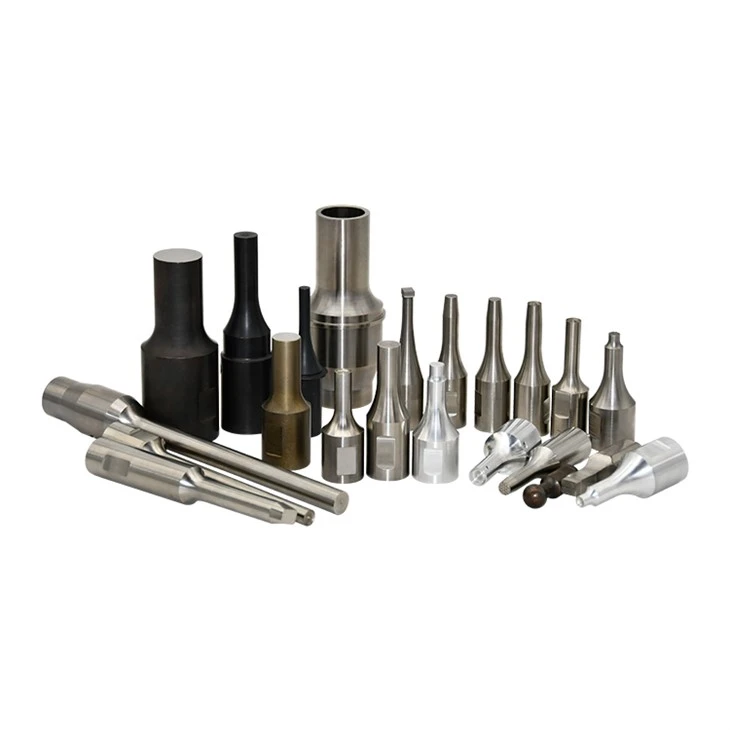
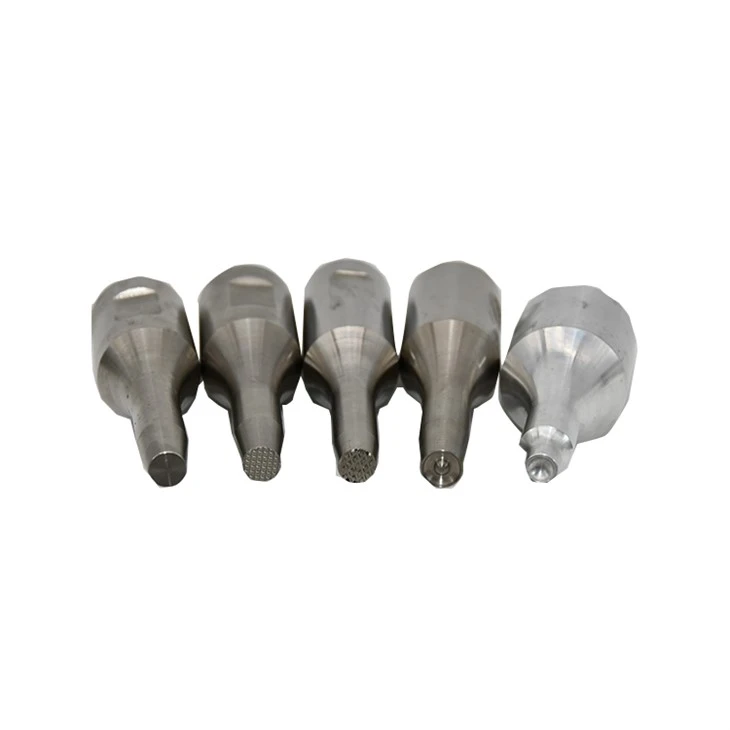
Flange mounting is suitable for applications where the ultrasonic component needs to be firmly attached to a fixed surface, such as a machine frame or a workbench. It is commonly used in ultrasonic welding machines, ultrasonic cleaning systems, and ultrasonic cutting equipment.
For example, our 28Khz Ultrasonic Aluminum Spot Welding Head can be easily mounted using a flange. The flange design allows for precise positioning and reliable operation, making it ideal for high - precision spot welding applications.
2. Threaded Mounting
Threaded mounting is another popular method for installing ultrasonic components. This method involves using threads on the component to screw it into a corresponding threaded hole in the mounting surface. Threaded mounting provides a strong and secure connection, and it is relatively easy to install and remove.
This mounting method is often used in situations where the ultrasonic component needs to be adjusted or replaced frequently. It is commonly found in ultrasonic transducers and ultrasonic generators. For instance, our 20Khz Ultrasonic Digital Generator for Plastic Welding can be mounted using a threaded connection. This allows for quick and easy installation, and also enables the generator to be easily removed for maintenance or upgrades.
3. Clamp Mounting
Clamp mounting is a flexible and convenient way to mount ultrasonic components. It uses clamps to hold the component in place, which can be adjusted to fit different sizes and shapes of components. Clamp mounting is suitable for applications where the component needs to be quickly installed or removed, or where there is a need for flexibility in positioning.
This mounting method is often used in ultrasonic testing equipment and ultrasonic measurement devices. For example, in a portable ultrasonic thickness gauge, the ultrasonic transducer can be mounted using a clamp. This allows the operator to easily position the transducer on the surface being tested, and also enables quick replacement of the transducer if needed.
4. Adhesive Mounting
Adhesive mounting involves using an adhesive to attach the ultrasonic component to the mounting surface. This method is suitable for applications where a permanent and vibration - resistant connection is required, and where drilling holes or using mechanical fasteners is not feasible.
Adhesive mounting is commonly used in small - scale ultrasonic components, such as ultrasonic sensors and micro - ultrasonic transducers. It provides a clean and aesthetically pleasing installation, and can also help to reduce noise and vibration. Our NTK Type Ultrasonic Plastic Welding Converter can sometimes be mounted using an adhesive method, especially when it needs to be integrated into a compact plastic housing.
5. Suspension Mounting
Suspension mounting is used when the ultrasonic component needs to be isolated from vibrations and shocks. It involves suspending the component using springs, rubber mounts, or other flexible materials. This mounting method helps to protect the component from damage caused by external vibrations and also improves its performance by reducing unwanted noise.
Suspension mounting is commonly used in high - precision ultrasonic equipment, such as ultrasonic microscopes and ultrasonic imaging devices. By isolating the component from vibrations, it ensures accurate and reliable operation.
Considerations for Choosing the Mounting Method
When choosing a mounting method for ultrasonic components, several factors need to be considered:
- Application Requirements: The specific application of the ultrasonic component will determine the most suitable mounting method. For example, in a high - speed production line, a quick - installation mounting method like clamp mounting may be preferred. In a precision measurement application, a more stable mounting method like flange mounting may be required.
- Component Size and Weight: Larger and heavier components may require a more robust mounting method, such as flange mounting or threaded mounting. Smaller and lighter components can often be mounted using adhesive or clamp mounting.
- Vibration and Shock Resistance: If the component is exposed to high levels of vibration or shock, a mounting method that provides good isolation, such as suspension mounting, should be considered.
- Ease of Installation and Maintenance: The ease of installing and maintaining the component is also an important factor. A mounting method that allows for quick and easy installation and removal will save time and effort in the long run.
Conclusion
In conclusion, the choice of mounting method for ultrasonic components is crucial for their performance, reliability, and longevity. Each mounting method has its own advantages and disadvantages, and the selection should be based on the specific requirements of the application. As a supplier of ultrasonic components, we are committed to providing our customers with the best solutions and guidance on mounting methods.
If you are in the market for high - quality ultrasonic components and need advice on the appropriate mounting method for your application, we encourage you to contact us for a detailed discussion. Our team of experts is ready to assist you in finding the right products and solutions to meet your needs.
References
- Ultrasonic Technology Handbook, Third Edition. John Wiley & Sons.
- Industrial Ultrasonics: Theory, Techniques, and Applications. CRC Press.
No Information